ANT · From trails to a shared route
In the Ant Colony Intelligence Laboratory, observe how exploration, food delivery and pheromone trails can form a shared route. Explore SWI’s stigmergy and shared-memory concepts through an interactive model.
Study mechanisms in nature. Question the research. Prepare a sourced experiment plan to test in your own environment.
Share the trail. Let stale information fade.
Compare the evidence. Preserve dissent.
Find the right neighbours instead of talking to everyone.
Observe a mechanism in a model as you read the atlas, then design your own agent experiment. Both laboratories offer TR / EN language controls.
In the Ant Colony Intelligence Laboratory, observe how exploration, food delivery and pheromone trails can form a shared route. Explore SWI’s stigmergy and shared-memory concepts through an interactive model.
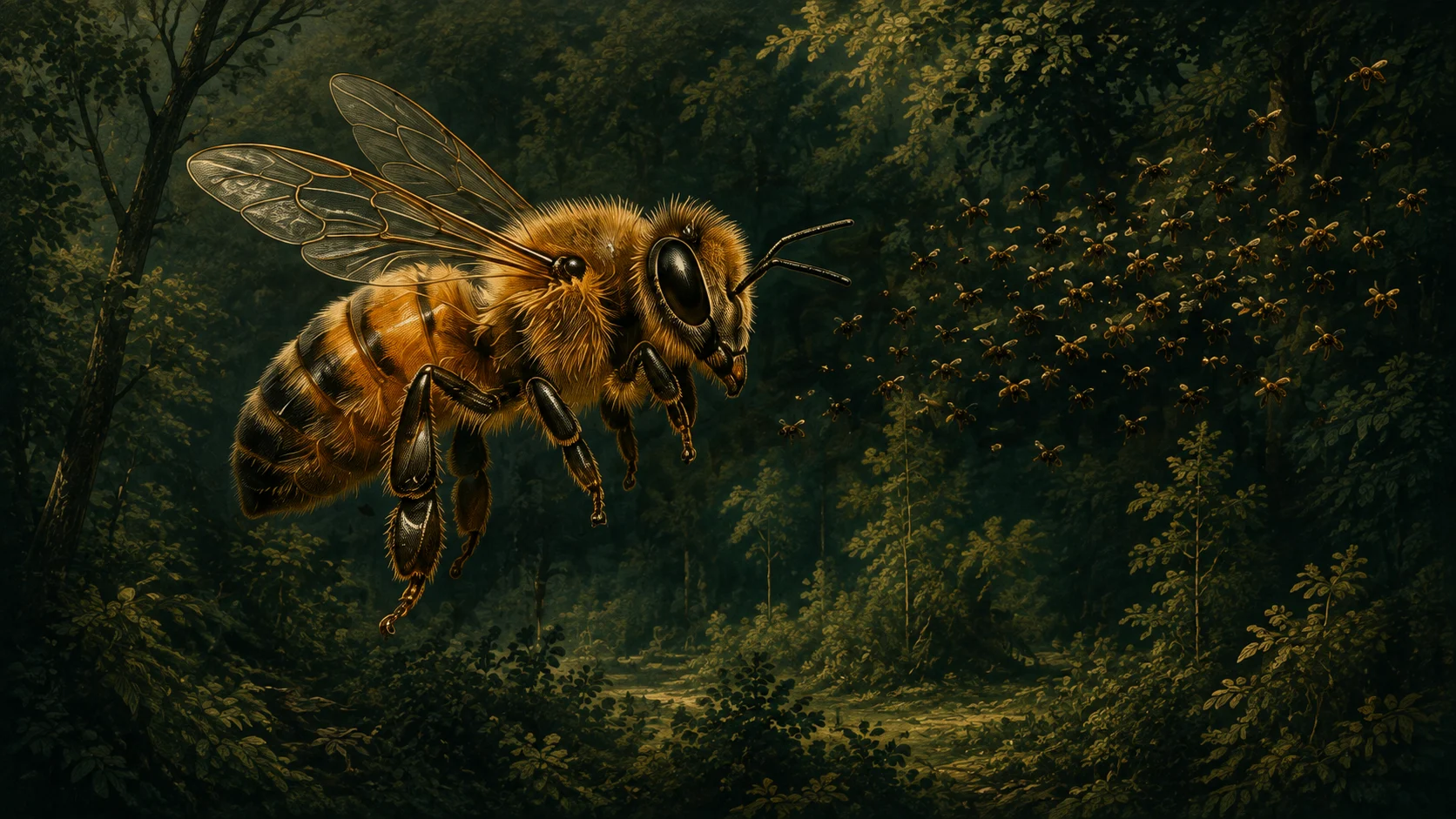
In the Honey Bee Collective Intelligence Laboratory, explore how scout ratio, dance recruitment and communication noise affect allocation between food sources. Observe the relationship between independent discovery and social information.
aserdargun.com · Learning system
SWI is the research atlas connecting collective behavior to agent coordination. LCL and CLD help you consider the compute environment; WFM and SWI are parallel research paths. These paths connect to industrial-twin research in ITL.
These links describe learning and research relationships. SWI does not dispatch tasks to other apps, automatically import laboratory results or execute agents. ANT and BEE provide model observations; recipes are static experiment templates for evaluation in your own environment.
Explore the learning systemDefine roles, budget and verification. Take the task package to your environment.